

Where do you sleep on the mountain
Every shelter on this list has been used on the route. Conditions, altitude, and what to bring — written from the inside, not from a rating system.
Three shelter types for multi-day hiking
Mountain huts
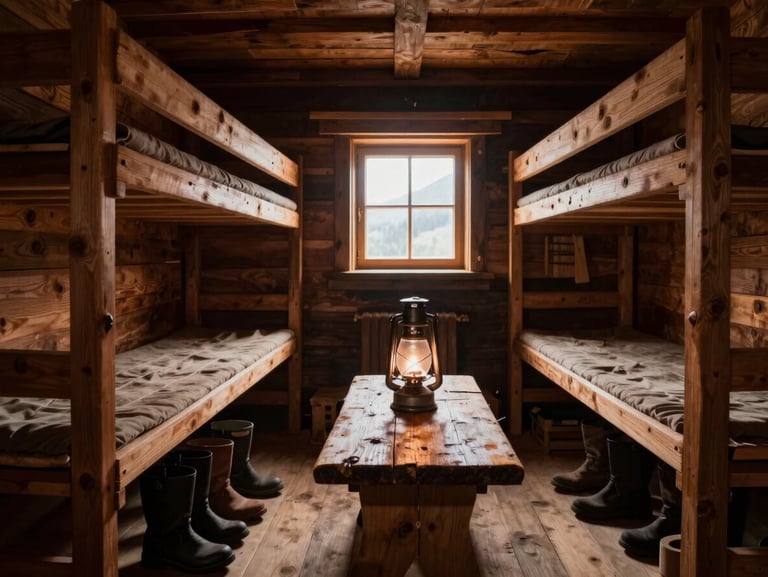
Staffed huts on established routes provide a comfortable and welcoming environment for travellers. Expect shared dormitory bunks, a cosy common room for relaxing and socialising, and a knowledgeable warden who knows the local weather better than any forecast. Additionally, the huts are equipped with essential amenities to ensure a pleasant stay, while the scenery surrounding them offers breathtaking views that travellers can enjoy during their downtime.
Altitude range: 1,400–2,100 m. Hot food is available at most; bring a sleeping bag liner regardless.
High-altitude refuges
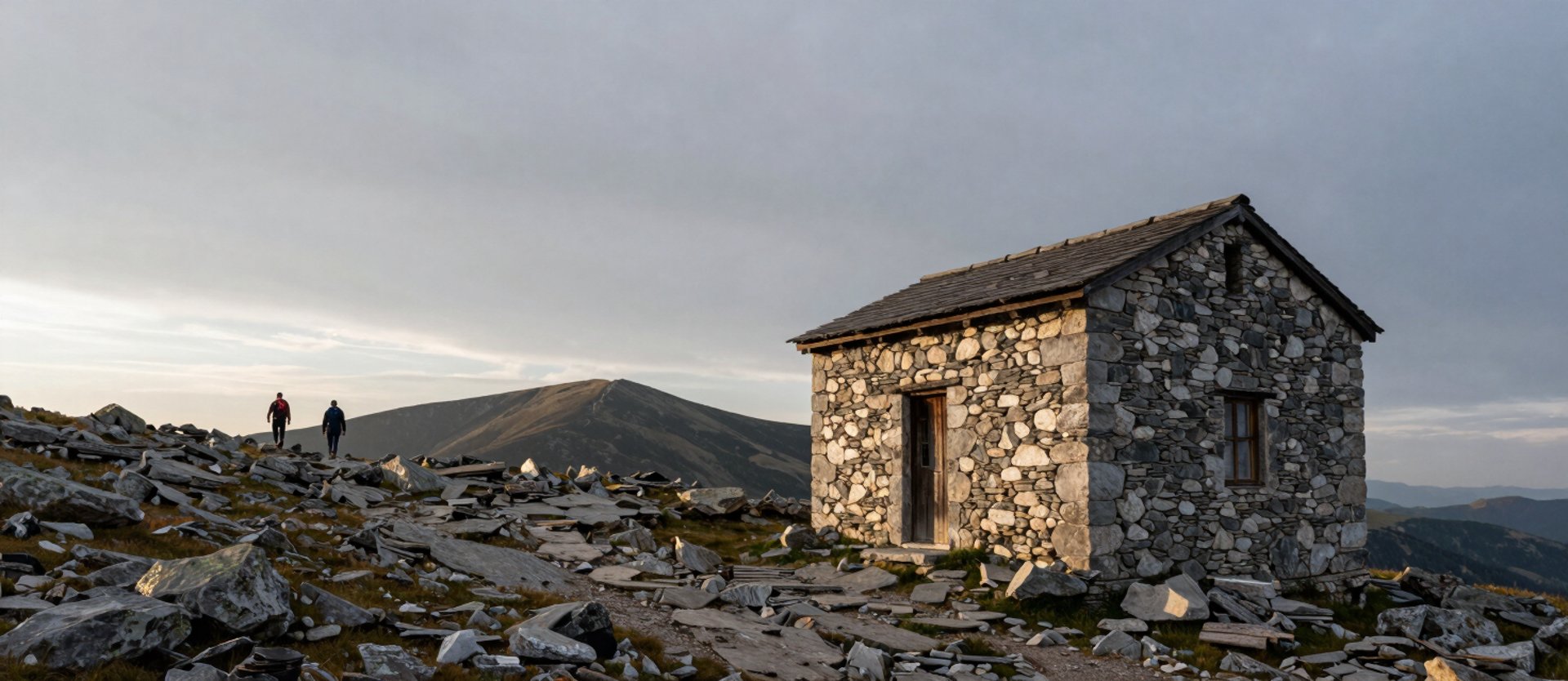
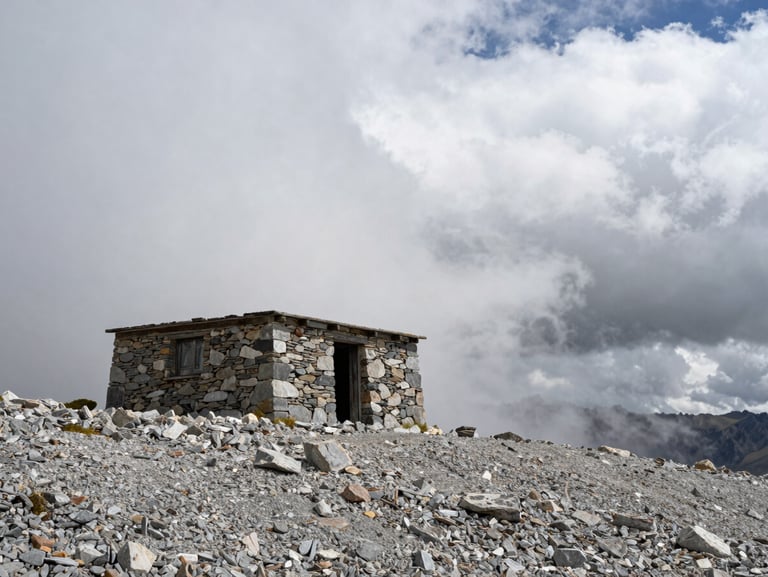
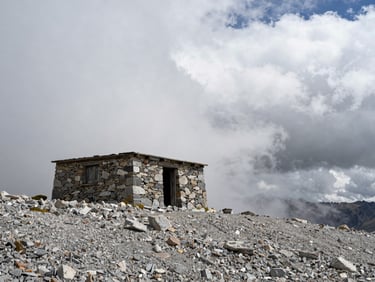
Unstaffed stone shelters above the tree line — no running water, no heat source beyond what the group carries. These shelters, often constructed from local materials, serve as temporary refuges during long treks through rugged terrain. They are essential for offering some protection from the elements and can be crucial when the route demands it, not by default. When choosing to rest in these shelters, one must be prepared for the challenges of limited resources and the need to be self-sufficient.
Altitude range: 2,100–2,700 m. Capacity 4–8 people. Conditions vary sharply by season.
Bivouacs
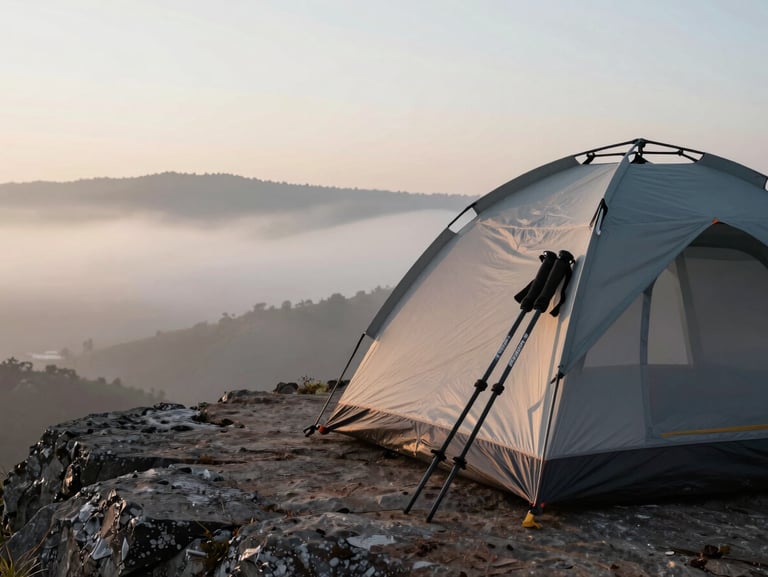
Lightweight tent camps at wild sites — chosen the day before based on group pace and weather. The most flexible option; also the one that asks the most of the group. In these camps, participants will enjoy a unique experience as they connect with nature, breathing in the fresh air and witnessing breathtaking views. Every night becomes a chance to bond with fellow adventurers around a warm fire, sharing stories and making memories under the starlit sky.
Used on technical multi-day routes where hut spacing doesn't match the terrain. Full kit list provided on booking.